Infrared Sauna and Sleep: What the Science Says About Better Rest
Rachelle Reed, Phd, MS
October 30, 2026
Infrared Sauna and Sleep: What the Science Says About Better Rest
A great night's sleep can make all the difference in how you feel, function, and take on the day. Yet getting enough quality rest isn't always easy. Over 30% of U.S. adults get fewer than the recommended seven hours of sleep per night [1]. Between busy schedules, everyday stressors, and shifting routines, finding ways to prioritize sleep is more important than ever.
Alongside foundational sleep habits like maintaining a consistent bedtime and limiting evening screen time, emerging research suggests that passive heating may offer another avenue for supporting better rest. In fact, studies examining warm baths and showers before bedtime have found promising improvements in certain sleep outcomes, including how quickly people fall asleep [2].
Can using an infrared sauna help you sleep better? The short answer is that sauna bathing may complement a healthy sleep routine by promoting relaxation and potentially supporting the body's natural temperature-regulation processes. While research on infrared sauna and sleep continues to evolve, existing studies offer promising insights into how heat exposure may support more restful sleep.
Here's a closer look at what the science says about sauna and sleep, how body temperature plays a role, and why the timing of a sauna session may matter for a more restful night.
Can Infrared Sauna Help Improve Sleep Quality?
The connection between sauna bathing and better sleep is an exciting area of research, particularly as scientists continue to explore how heat exposure may influence relaxation and the body's natural sleep-wake cycles.
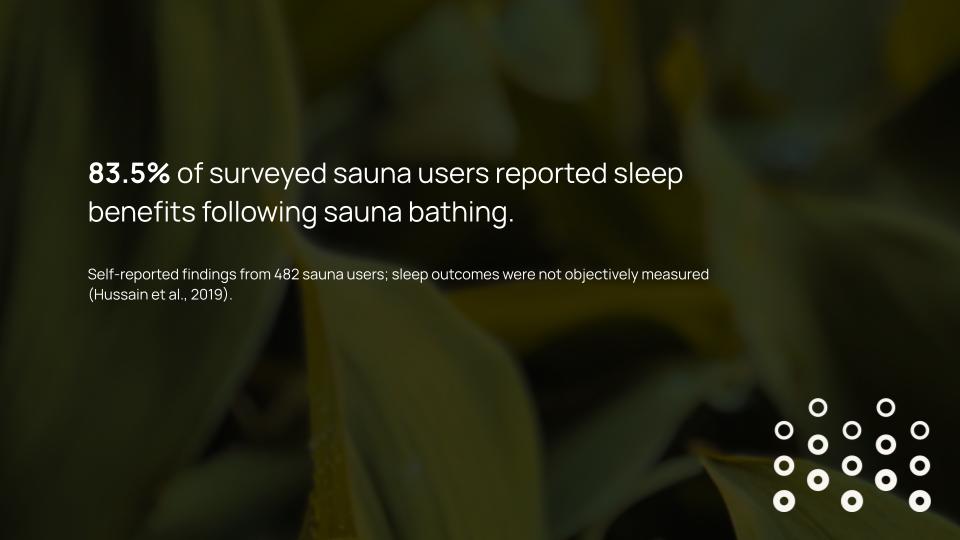
One interesting finding comes from a 2019 study published in Complementary Therapies in Medicine. Researchers surveyed 482 sauna users about their habits, motivations, and perceived health benefits. An impressive 83.5% of respondents reported experiencing sleep benefits after sauna bathing, with many noting that these benefits lasted one to two nights following a session [3].
Relaxation and stress reduction were also among the most commonly reported reasons for using a sauna, highlighting the potential connection between heat exposure, unwinding, and restful sleep [3].
More recently, a 2023 study examined the effects of a single post-exercise infrared sauna session in 16 male basketball players. Researchers found improvements in certain recovery outcomes, including reduced muscle soreness, following infrared sauna use compared with passive recovery. Importantly, researchers observed no statistically significant differences in subjective sleep quality or sleep duration between the infrared sauna and passive recovery conditions [4], suggesting that the post-exercise sauna session did not measurably disrupt sleep in this small sample. While additional research is needed, these findings offer encouraging insight into how infrared sauna may fit into a recovery and wellness ritual.
Looking more broadly at passive heating, a 2019 systematic review and meta-analysis examined 17 studies investigating warm baths and showers before bedtime. Researchers found that passive heating was associated with improvements in certain sleep outcomes, including sleep quality, sleep efficiency, and the time it takes to fall asleep [2]. Although these findings cannot be directly applied to infrared sauna, they provide a stronger scientific foundation for understanding how heat exposure may influence sleep.
Together, these findings suggest that heat-based wellness practices may have a role in supporting healthy sleep routines, particularly when paired with consistent sleep habits and opportunities for relaxation. One potential explanation lies in how the body regulates temperature throughout the day, especially as bedtime approaches.
The Science of Heat, Body Temperature, and Sleep
To understand how infrared sauna may support better sleep, it helps to look at how body temperature naturally changes throughout the day.
The body follows a roughly 24-hour internal clock, known as the circadian rhythm, which helps regulate sleep, wakefulness, and other physiological processes. Body temperature is closely connected to this cycle, naturally rising and falling throughout the day. As bedtime approaches, core body temperature typically begins to decline, while blood flow to the skin increases to help release heat. These coordinated changes play an important role in preparing the body for sleep [5].
Why Cooling Down After Heat Exposure Matters
Interestingly, warming the body before bedtime may help facilitate this natural cooling process. When exposed to heat, blood vessels near the skin expand through a process called vasodilation, increasing blood flow toward the body's surface and helping heat dissipate.
This response may help explain why passive heating has been associated with improvements in certain sleep outcomes. Research suggests that increased heat loss through the skin, particularly the hands and feet, is closely connected to the body's transition toward sleep [2, 5].
For infrared sauna users, this means the potential connection between heat exposure and sleep may extend beyond relaxation alone. Infrared sauna bathing engages the body's natural temperature-regulation processes, which could play a role in preparing the body for rest. However, additional research is needed to determine whether these physiological responses translate into measurable improvements in sleep following infrared sauna use specifically.
The key takeaway? When it comes to heat and sleep, it's not necessarily about feeling warm at bedtime. It's about how the body responds to warmth and subsequently releases heat as it prepares for rest.
When Is the Best Time to Use an Infrared Sauna for Sleep?
If you're considering adding infrared sauna bathing to your wellness routine, you may be wondering whether it's better to schedule a session in the morning, afternoon, or closer to bedtime.
The best time to use an infrared sauna for sleep hasn't been established, but evening sessions may be a convenient way to incorporate relaxation into your bedtime routine. Research on passive heating suggests that allowing the body time to cool down before sleep may be particularly important.
One study found that warm baths and showers taken approximately one to two hours before bedtime were associated with improvements in certain sleep outcomes [2]. While these findings cannot be directly applied to infrared sauna sessions, they provide useful insight into how the timing of heat exposure may influence the transition to sleep.
For those who enjoy evening sauna sessions, consider allowing enough time afterward to cool down, rehydrate, and settle into a comfortable sleeping environment. Pay attention to how your body responds, as individual preferences and recovery needs may vary.
Ultimately, consistency and personal comfort are more important than following a strict sauna schedule that hasn't been scientifically established. Whether you prefer a morning reset or an evening wind-down, finding a time that fits your lifestyle can help make relaxation a sustainable part of your wellness routine.
Can infrared saunas help you sleep better? While more research is needed to fully understand the relationship, existing evidence offers promising insights into how heat exposure, relaxation, and the body's natural temperature-regulation processes may support healthy sleep.
Here's what the science suggests:
Sauna users report sleep benefits. In one survey, 83.5% of respondents reportedperceived improvements in sleep following sauna bathing [3].
Body temperature plays an important role in sleep. Passive heating may help facilitate the body's natural cooling process associated with falling asleep, although most existing intervention research has focused on warm baths and showers [2, 5].
Timing and personal comfort matter. While the ideal time to use an infrared sauna for sleep hasn't been established, allowing time to cool down and rehydrate after a session is a practical consideration.
Ultimately, infrared sauna bathing may be one way to complement a healthy sleep routine, alongside consistent sleep habits and opportunities for relaxation.
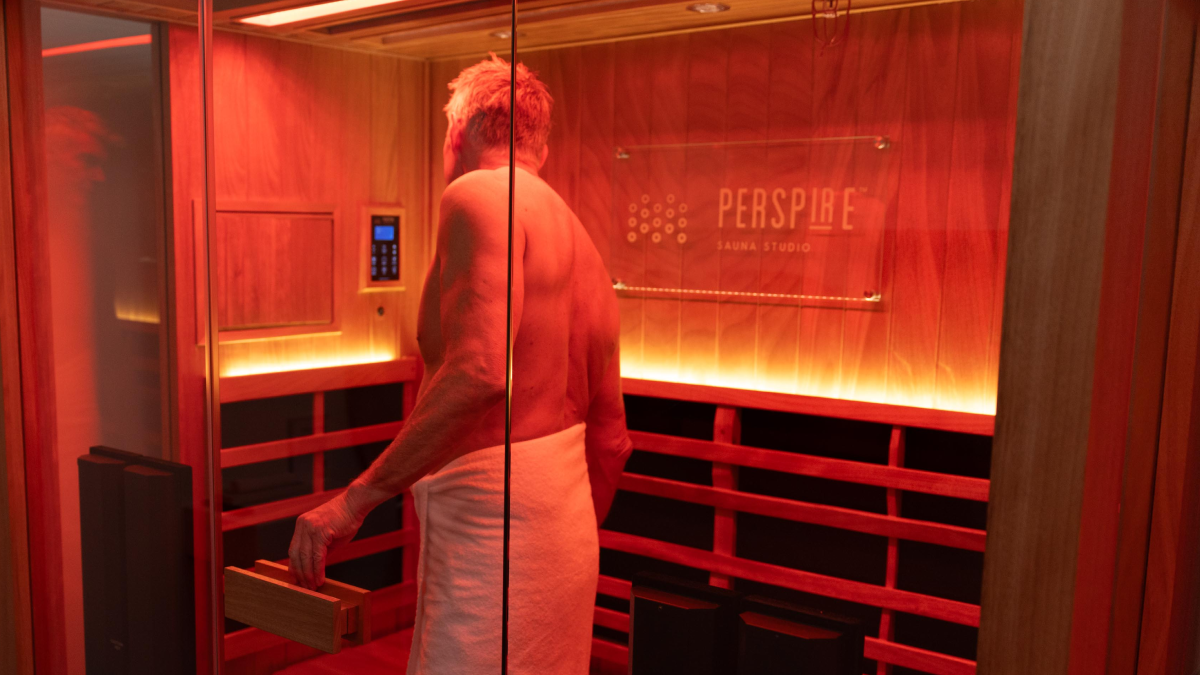
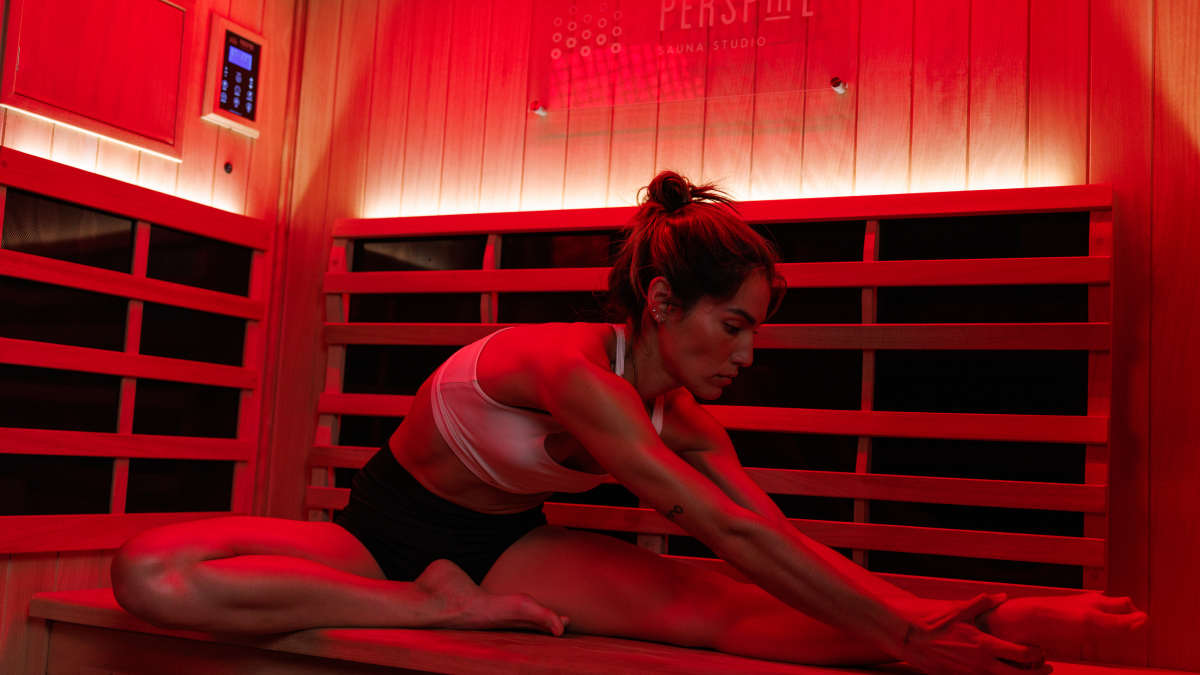
Ready to make relaxation part of your routine? Explore the infrared sauna experience at Perspire Sauna Studio and discover how a regular wellness ritual can fit into your lifestyle.
Disclaimer: The content in this article is for educational purposes only and is not intended to replace medical advice, diagnosis, or treatment. If you have a medical condition or questions about incorporating infrared sauna into your wellness routine, consult your healthcare provider before getting started.
References
Ng AE, Black LI, Adjaye-Gbewonyo D. Short Sleep Duration and Sleep Difficulties Among Adults: United States, 2024. NCHS Data Brief. 2026;(559):1–8. CDC report
Haghayegh S, Khoshnevis S, Smolensky MH, Diller KR, Castriotta RJ. Before-bedtime passive body heating by warm shower or bath to improve sleep: A systematic review and meta-analysis. Sleep Medicine Reviews. 2019;46:124–135. 10.1016/j.smrv.2019.04.008
Hussain JN, Greaves RF, Cohen MM. A hot topic for health: Results of the Global Sauna Survey. Complementary Therapies in Medicine. 2019;44:223–234. https://doi.org/10.1016/j.ctim.2019.03.012
Ahokas EK, Ihalainen JK, Hanstock HG, Savolainen E, Kyröläinen H. A post-exercise infrared sauna session improves recovery of neuromuscular performance and muscle soreness after resistance exercise training. Biology of Sport. 2023;40(3):681–689. https://doi.org/10.5114/biolsport.2023.119289
Pierzchała K, Bielska W, Boczar Z, Zawadzka A, Okrąglewska A, Strzemińska M, et al. Thermoregulation in Sleep Disorders—Comprehensive Review. Journal of Clinical Medicine. 2026;15(8):2929. https://doi.org/10.3390/jcm15082929
Your intro session is up to 50% off — a private suite with full-spectrum infrared heat, red light therapy, and personalized enhancements to suit your wellness journey.