



Blog
September 1, 2026
Infrared Sauna and Mitochondrial Health: Understanding the Connection
Explore how infrared sauna, heat exposure, and red light therapy may interact with mitochondrial health, cellular energy production, and adaptation.
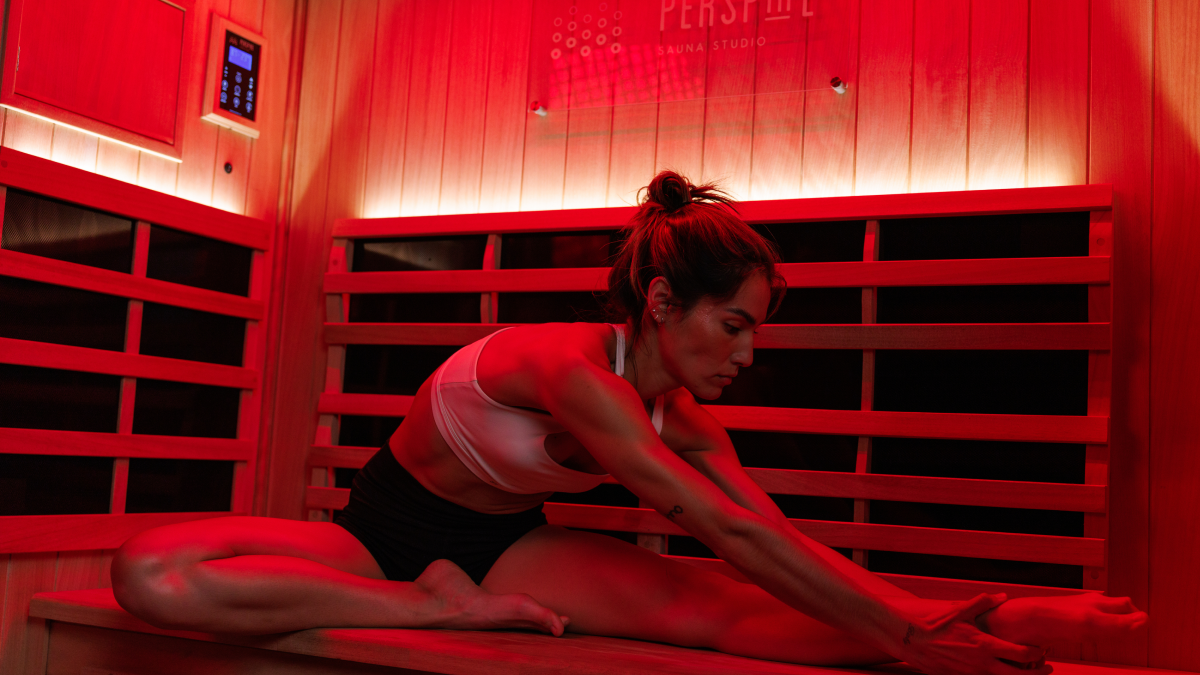
Sunlight and infrared heat are often discussed together, but they aren't the same thing. Sunlight contains ultraviolet (UV), visible, and infrared wavelengths, each of which interacts with the body differently [1].
As infrared saunas continue to grow in popularity, many people have questions about how infrared heat compares to sunlight. Does an infrared sauna produce UV light? Can it provide vitamin D? And how does infrared heat work?
In this article, we'll break down the science behind infrared heat, sunlight, and UV light, and explain what the differences mean for your health and wellness routine.
Sunlight is a form of electromagnetic energy produced by the sun. While we often think of sunlight as a single thing, it actually contains a spectrum of wavelengths, including ultraviolet (UV), visible, and infrared light [1]. Together, these wavelengths span both visible and invisible portions of the electromagnetic spectrum.
Only a small portion of sunlight is visible to the human eye. The visible spectrum allows us to see colors and objects around us, while ultraviolet and infrared wavelengths are invisible to us. Ultraviolet light falls just beyond the violet end of the visible spectrum, while infrared wavelengths fall just beyond the red end [2].
Sunlight plays an important role in human health. Exposure to natural light helps regulate circadian rhythms, while UVB radiation supports the body's production of vitamin D, a nutrient involved in bone, muscle, and immune health [3]. Infrared wavelengths, on the other hand, are primarily experienced as heat.
Understanding these differences is important when comparing sunlight to infrared saunas. Although infrared heat is naturally present in sunlight, it represents just one portion of the sun's energy.
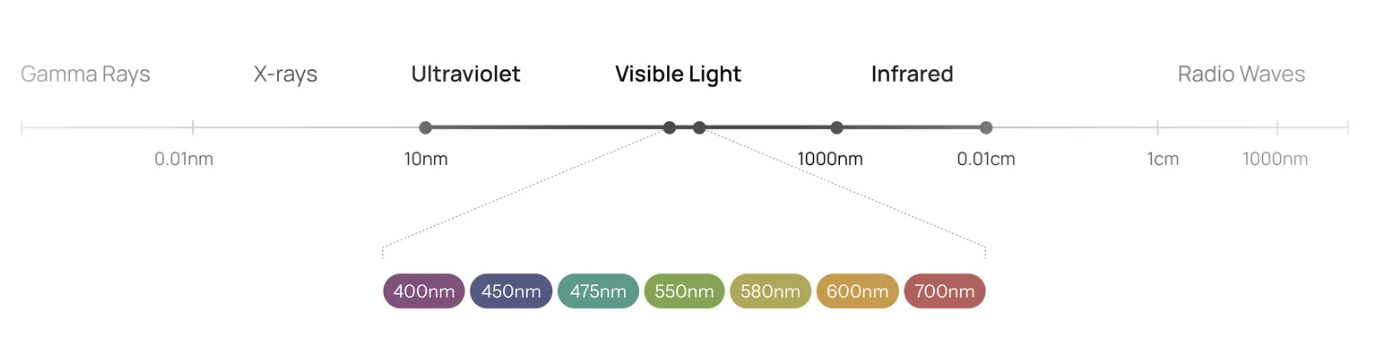
Infrared heat is a form of electromagnetic energy that falls just beyond visible red light on the electromagnetic spectrum [2]. While it is invisible to the human eye, it is experienced as warmth and is naturally emitted by the sun, warm objects, and even the human body.
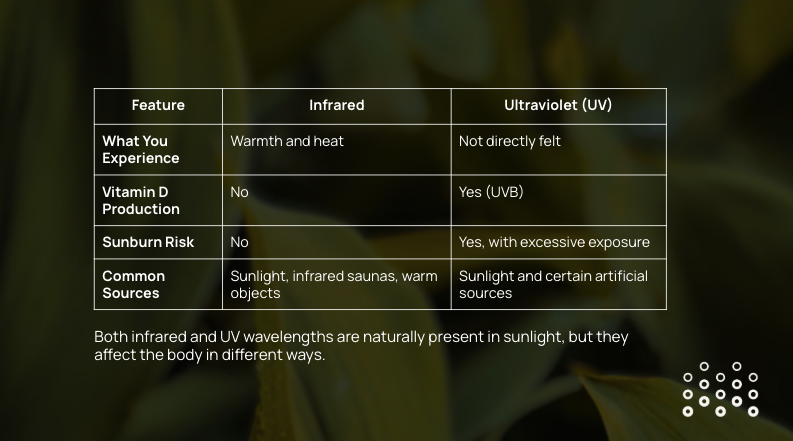
Infrared wavelengths make up a substantial portion of the sun's energy and are responsible for much of the warmth we feel when standing outside on a sunny day. However, unlike ultraviolet (UV) radiation, infrared energy is not associated with sunburn or vitamin D production. Instead, its primary effect is generating heat.
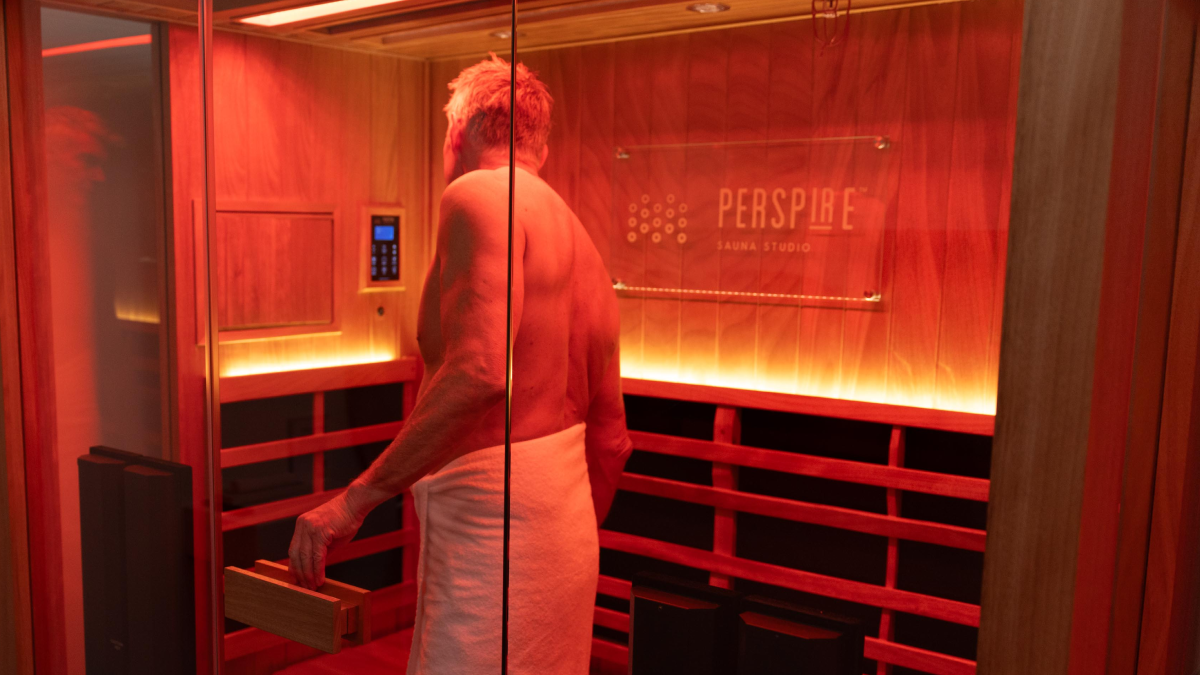
Infrared saunas use specially designed heaters to generate infrared energy in a controlled environment, creating a gentler heat experience without UV radiation. To learn more about how infrared saunas work, review our article on Infrared Sauna Science: How It Works.
Although both infrared and UV light are naturally present in sunlight, they affect the body in very different ways:
While infrared saunas do not provide UV light nor vitamin D, research shows that regular heat exposure supports the body's natural ability to tolerate heat.
When the body is exposed to heat repeatedly over time, it begins to make a series of physiological adjustments known as heat acclimation. Research suggests these adaptations can include increases in plasma volume, improvements in sweating efficiency, and reductions in cardiovascular strain during heat exposure [4, 5, 6]. Collectively, these changes may help the body regulate temperature more effectively in hot environments.
This concept is particularly relevant during the summer months, when higher outdoor temperatures can place additional stress on the body. While much of the heat-acclimation research has been conducted using exercise in hot environments, sauna bathing has also been studied as a passive heat exposure strategy. Emerging research suggests that regular sauna use may elicit many of the same physiological responses associated with exercise and heat exposure, including adaptations related to thermoregulation and cardiovascular function [4].
For athletes and active individuals, heat acclimation has long been used to prepare for training and competition in warm conditions. For others, regular heat exposure may simply be one way to help the body become more accustomed to seasonal increases in temperature.

While infrared saunas and sunlight are not interchangeable, both can play a role in a healthy lifestyle.
Sunlight provides unique benefits, including support for vitamin D production and circadian rhythm regulation. Infrared sauna sessions, on the other hand, provide controlled heat exposure without UV radiation. As discussed in our article on Infrared Sauna Science: How It Works, infrared saunas use specialized heaters to generate infrared energy, creating a comfortable environment for consistent heat exposure.
For some individuals, regular infrared sauna sessions may complement time spent outdoors, particularly during periods of extreme weather or when schedules limit opportunities for outdoor activity. Others may incorporate infrared sauna use as part of a broader wellness routine focused on relaxation, recovery, and long-term health.
Science suggests consistent exposure to infrared heat 1-4 times each week can have several benefits:
To learn more about the role regular sauna use may play in healthy aging and long-term wellness, explore our article, Infrared Saunas for Longevity.
Ready to experience infrared heat for yourself? Regular heat exposure may help your body become more accustomed to warm environments while supporting relaxation, recovery, and overall wellness. Find your nearest Perspire Sauna Studio and discover how infrared heat can be part of your year-round routine.
References

Your intro session is up to 50% off — a private suite with full-spectrum infrared heat, red light therapy, and personalized enhancements to suit your wellness journey.


.png)