The quest for longevity is everywhere. But the science is clear: real longevity isn’t created through shortcuts. It’s built through simple rituals repeated over time.
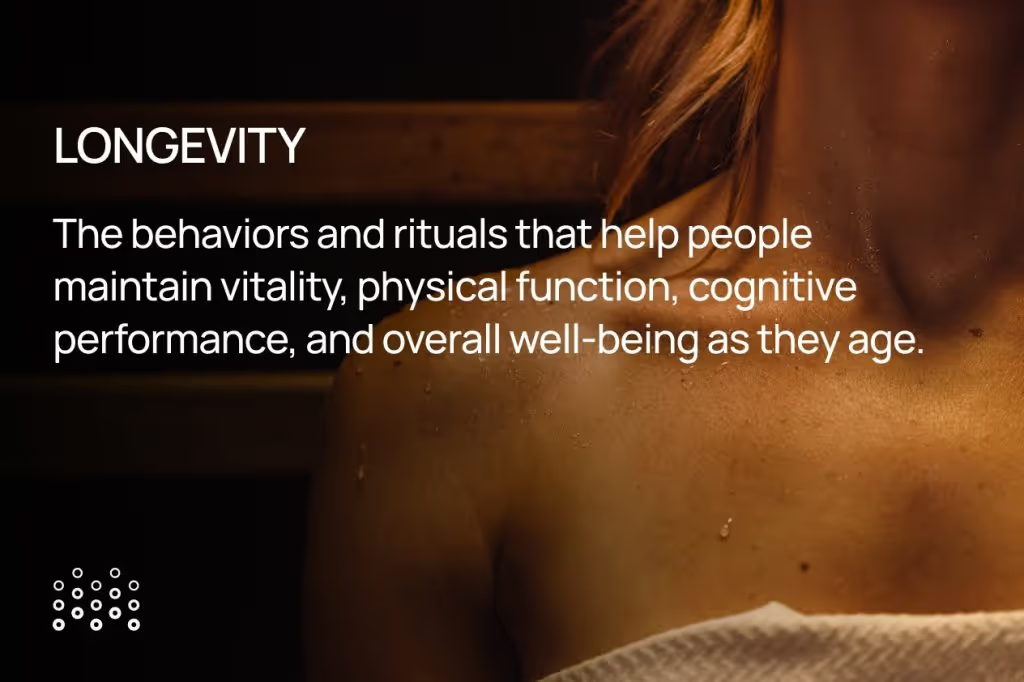
Longevity refers to the length and quality of a person’s life, the combination of how long you live and how well you function as you age [1]. It’s more than lifespan (the number of years you live) and introduces a concept called healthspan (your years lived with vitality and free from disease). The longevity mindset requires moving from a reactive state to a proactive one that strengthens the body and mind. That’s the foundation of our approach at Perspire: accessible, repeatable rituals like infrared sauna sessions that help you feel great now, while supporting your heart, brain, and overall wellness for the long haul.
Here, Dr. Brittany Lebeouf, a health scientist and researcher, breaks down how small, sustainable rituals support how you feel today and how you show up for the future.
Why consistency matters for longevity
When it comes to long-term wellness, consistency, rather than an “all or nothing” mentality, is what drives results. “Consistency in health behaviors is crucial because it allows the body to adapt and build upon small, incremental changes over time,” explains Dr. Leboeuf.
Modalities like infrared saunas and red light therapy work cumulatively; the more regularly you use them, the more your body adapts to show noticeable changes. Dr. Leboeuf shares that “while there are some acute benefits of heat therapy, there are additional benefits of repeated use over time.” This principle is why a single session may help you sleep better, but consistently showing up for months is likely to improve your heart health [1]. “Long-term use of heat therapy has been linked to better metabolic function, reduced risk of acute and chronic diseases, and even mental health benefits with frequent sessions [2],” adds Dr. Leboeuf.
Her point reflects what the research shows: repeated exposure to heat therapy creates measurable changes in cardiovascular function, inflammation, and mood and brain health [1]. This leads us to the real challenge: if consistency is what unlocks the health benefits of infrared saunas, how do we build a rhythm we can stick to?
Accountability may help you stay consistent with your wellness routine
Even the most powerful wellness tools only work if you actually use them, and accountability may be the bridge between intention and consistency. Dr. Lebeouf defines accountability as “a psychological factor that can help with sustaining wellness routines by creating external or internal commitment or pressure to follow through with a plan.”
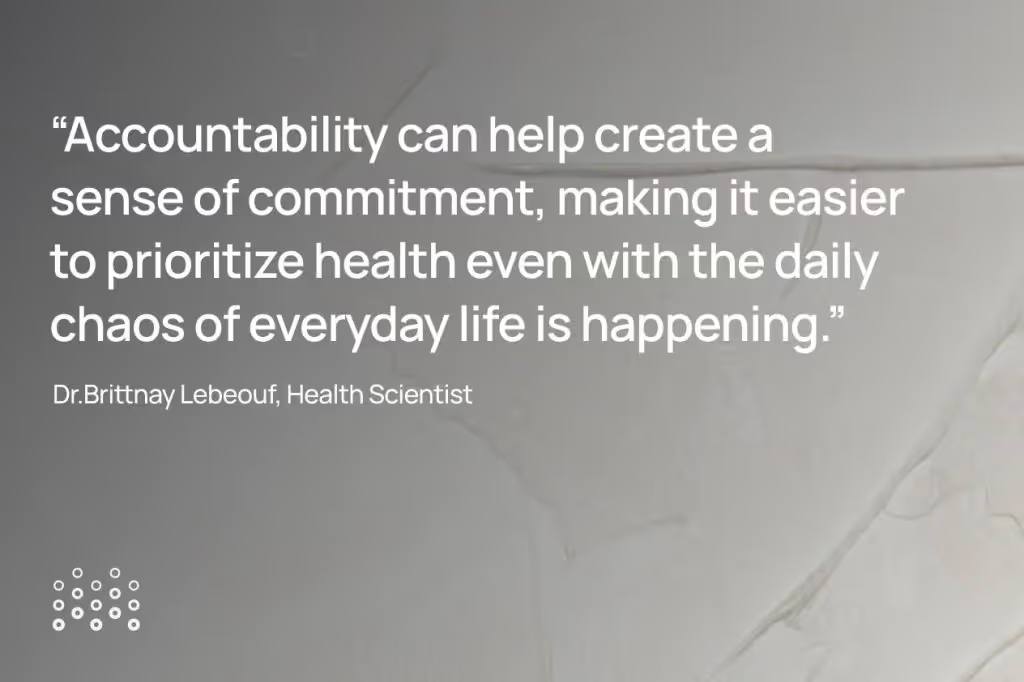
“Establishing accountability helps with the natural dips in motivation or disruptions to a plan that is typical when working towards a goal,” she adds. Whether you are booking weekly sauna sessions ahead of time through the Perspire mobile app or sharing your wellness schedule with a spouse, “accountability can help create a sense of commitment, making it easier to prioritize health even with the daily chaos of everyday life is happening,” shares Dr. Lebeouf. “By booking appointments in your calendar, you’re leveraging accountability to the app’s reminders and reservations, which can increase follow-through,” she adds.
As Dr. Lebeouf notes, accountability helps you stay grounded when life gets busy, yet it’s the daily rituals themselves that drive meaningful change. Here’s how to build the ones that last.
Strategies for building a repeatable ritual to support your healthspan
A structured routine “is one of the most reliable predictors of long term success because it builds consistency without relying solely on willpower,” Lebeouf says. During busy seasons, like holidays or stressful periods at work, the simple acts that build your routine are an anchor, “ensuring wellness doesn’t fall off the radar even when life is busy, which let’s be honest, is most of the time!”
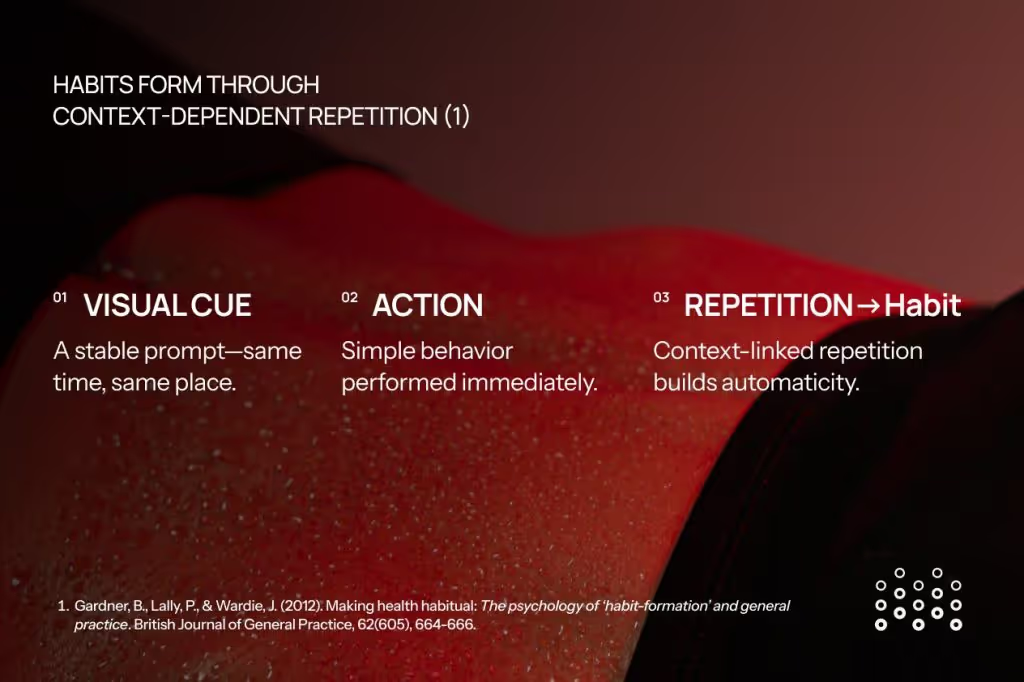
Behavior change research shows that habits stick when they’re clear, simple, and paired with environmental cues [3]. The visual cues work like gentle nudges that reduce friction and turn intentional actions into automatic routines over time. Visual cues may include:
Seeing your sauna bag waiting by the door
Receiving a pop-up notification on your calendar about your upcoming session
Driving past the studio on your commute
These visual cues link the behavior to something predictable in your environment, and over time, the cue triggers action, even when motivation dips. Repeating that cue-behavior pairing at the same time each week strengthens the ritual even further. A consistent schedule can be a built-in accountability system, reinforcing the health behavior pattern until it becomes part of your preventative wellness routine.
Give your future self the gift of today’s commitment
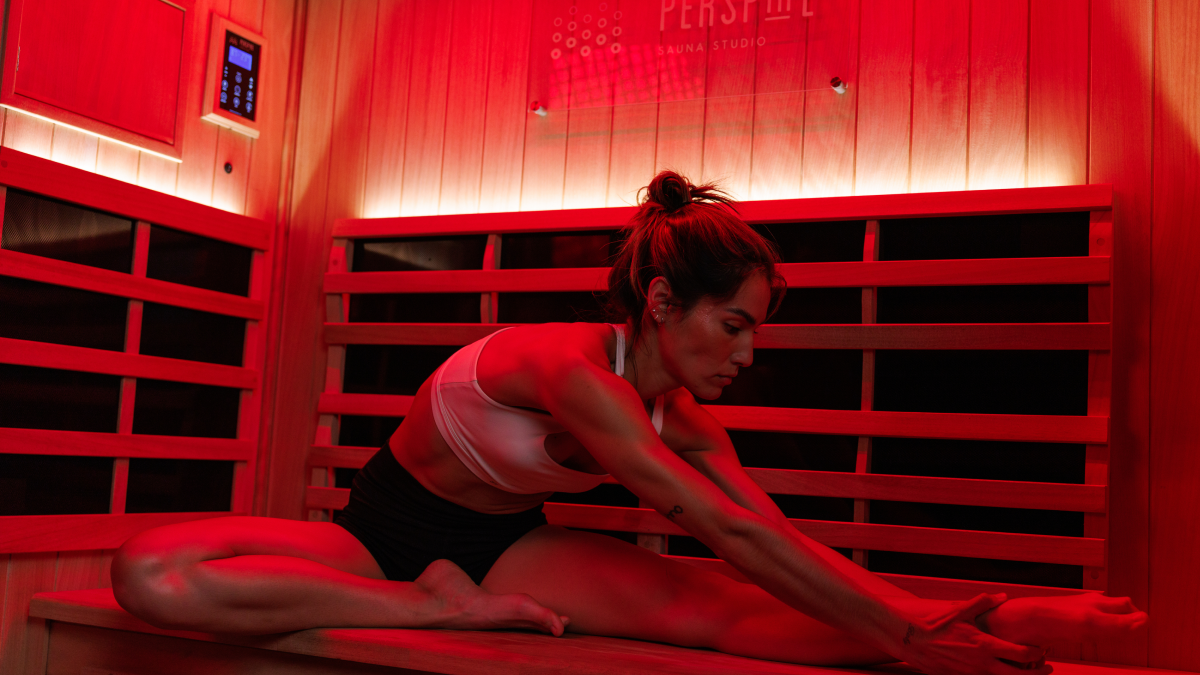
There are no shortcuts to longevity; it’s an outcome created through small rituals repeated over months and years. Whether your ritual is 30 minutes in an infrared sauna with red light therapy, or a contrast therapy session using SNO, the commitment you make today is an investment in your future.
As Dr. Lebeouf says, “long term consistency is what will typically lead to the most benefits when it comes to health behavior change.” And when wellness habits are clear, repeatable, and tied to familiar cues, they become less about willpower and more about automatic routines that improve your mental and physical health long term.
Consistency drives cumulative benefits. Regular infrared sauna use and red light therapy support heart health, stress resilience, and overall longevity when practiced over time.
Simple, structured routines make habits stick. Science shows that pairing habits with cues, like booking your sauna sessions ahead of time, can help them become more integrated into your routine automatically.
Small daily rituals support healthspan, building the foundation for a long and vibrant life as you age.
Laukkanen, J. A., Laukkanen, T., & Kunutsor, S. K. (2018). Cardiovascular and Other Health Benefits of Sauna Bathing: A Review of the Evidence. Mayo Clinic proceedings, 93(8), 1111–1121. https://doi.org/10.1016/j.mayocp.2018.04.008
Kochanek, K. D., Murphy, S. L., Xu, J., & Arias, E. (2024). Mortality in the United States, 2022 (NCHS Data Brief No. 492). National Center for Health Statistics. https://www.cdc.gov/nchs/products/databriefs/db492.htm
Gardner, B., Lally, P., & Wardle, J. (2012). Making health habitual: the psychology of ‘habit-formation’ and general practice. The British journal of general practice : the journal of the Royal College of General Practitioners, 62(605), 664–666. https://doi.org/10.3399/bjgp12X659466
Your intro session is up to 50% off — a private suite with full-spectrum infrared heat, red light therapy, and personalized enhancements to suit your wellness journey.