


Blog
September 1, 2026
Infrared Sauna and Mitochondrial Health: Understanding the Connection
Explore how infrared sauna, heat exposure, and red light therapy may interact with mitochondrial health, cellular energy production, and adaptation.
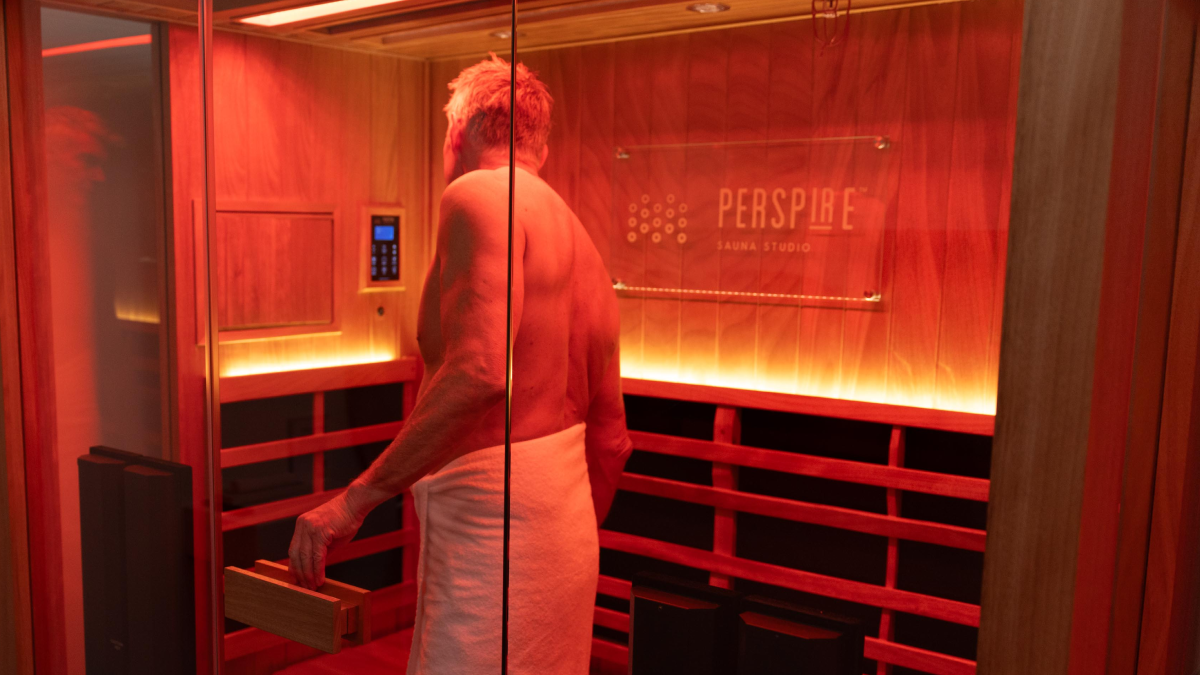
From workouts and work deadlines to travel and sleepless nights, your body is constantly working to recover. Whether you're recovering from exercise, a stressful week, travel, an injury, or simply the demands of everyday life, recovery is the process of restoring balance so your body can adapt, perform, and feel its best.
Infrared sauna supports several of the body's natural recovery processes, including circulation, relaxation, and sleep. In this article, we'll explore the many forms recovery can take and how infrared sauna, red light therapy, and contrast therapy can help support your recovery routine.
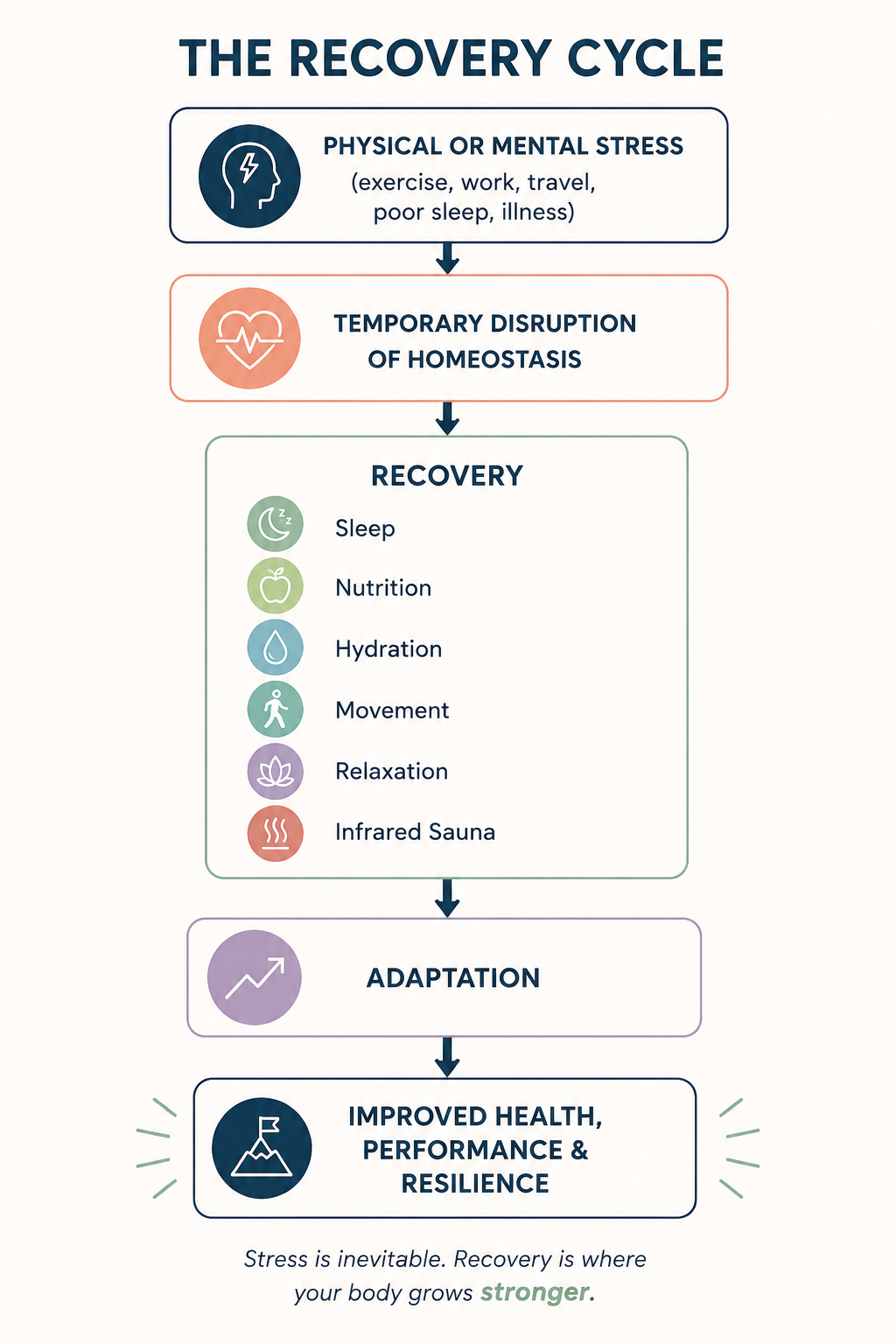
Recovery is the process of restoring balance, or homeostasis, after your body experiences physical or mental stress [1]. While we often associate recovery with post-workout recovery, your body and mind are constantly recovering from many different types of stressors, including long workdays, holiday travel, poor sleep, and the challenges of everyday life.
Although these experiences feel different, they often rely on many of the same physiological processes to recover. Healthy circulation helps deliver oxygen and nutrients throughout the body. Quality sleep supports repair and restoration. Relaxation allows the nervous system to shift out of a heightened stress response, while thermoregulation helps your body adapt to changes in temperature and physical demands.
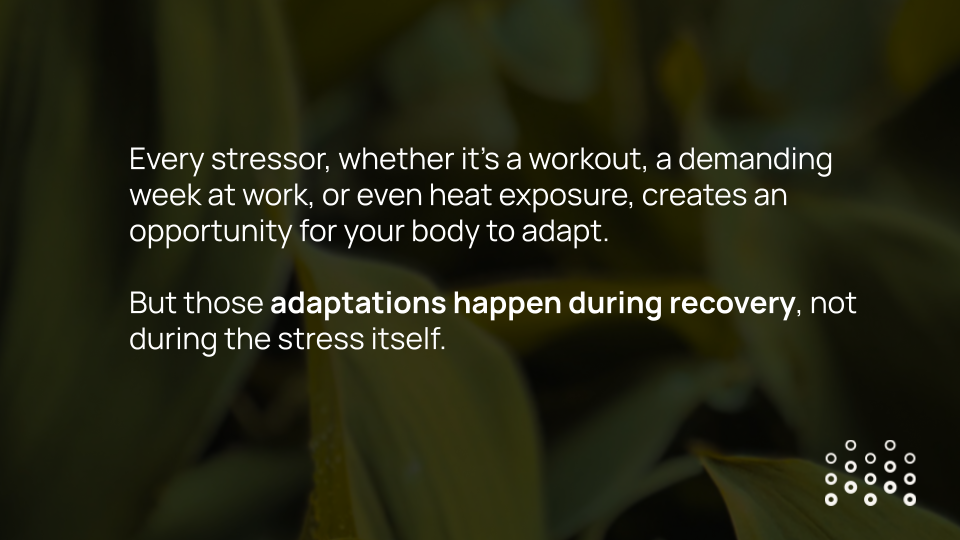
The goal of recovery isn't simply to rest—it's to help your body restore balance so it can adapt to future challenges. Every stressor, whether it's a workout, a demanding week at work, or even heat exposure, creates an opportunity for your body to adapt. But those adaptations happen during recovery, not during the stress itself. Supporting your body's natural recovery processes helps ensure you're ready for whatever comes next.
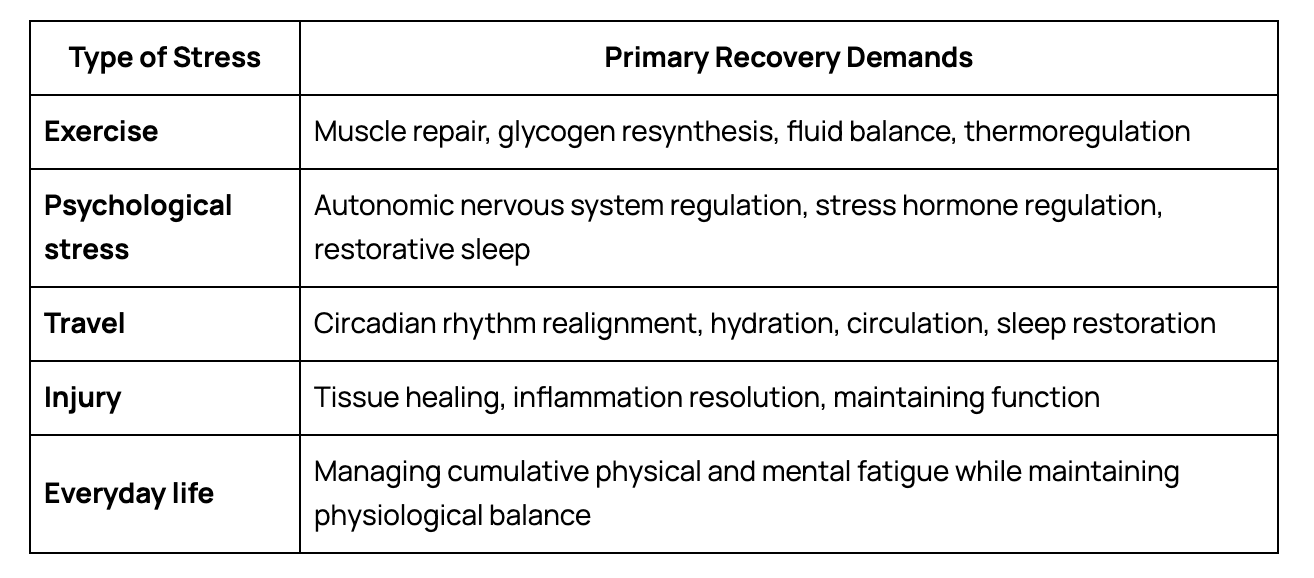
Although recovery can look different depending on the situation, your body relies on many of the same physiological systems to restore balance after a stressor. Whether you've completed a challenging workout, had a stressful week at work, traveled across time zones, or simply had several nights of poor sleep, your body works to re-establish homeostasis through coordinated responses involving the nervous, cardiovascular, endocrine, immune, and musculoskeletal systems [2].
What changes is not how your body recovers, but which recovery processes are most heavily challenged. For example, a strength-training session places greater demands on muscle repair and energy restoration, while travel may primarily disrupt sleep, hydration, and circadian rhythms [3]. Psychological stress may have a larger impact on nervous system regulation [4], yet many of the same recovery strategies, including quality sleep, movement, hydration, and relaxation, continue to support the body's ability to recover and adapt.
Understanding how different stressors influence recovery can help you prioritize habits and recovery tools that best support your body's changing needs.
Recovery starts with the fundamentals. Consistently getting enough sleep, staying physically active, eating a balanced diet, managing stress, and staying hydrated all play essential roles in helping your body restore balance after physical and mental stress. Science-backed recovery and wellness tools aren't designed to replace these healthy habits, they're intended to complement them.
Infrared sauna is one example. Unlike traditional saunas that primarily heat the air aropund you, infrared saunas use infrared light to gently warm the body. This creates passive heat stress that activates many of the same physiological systems involved in recovery. While research is still evolving, evidence suggests infrared sauna may support several natural recovery processes [5, 6].
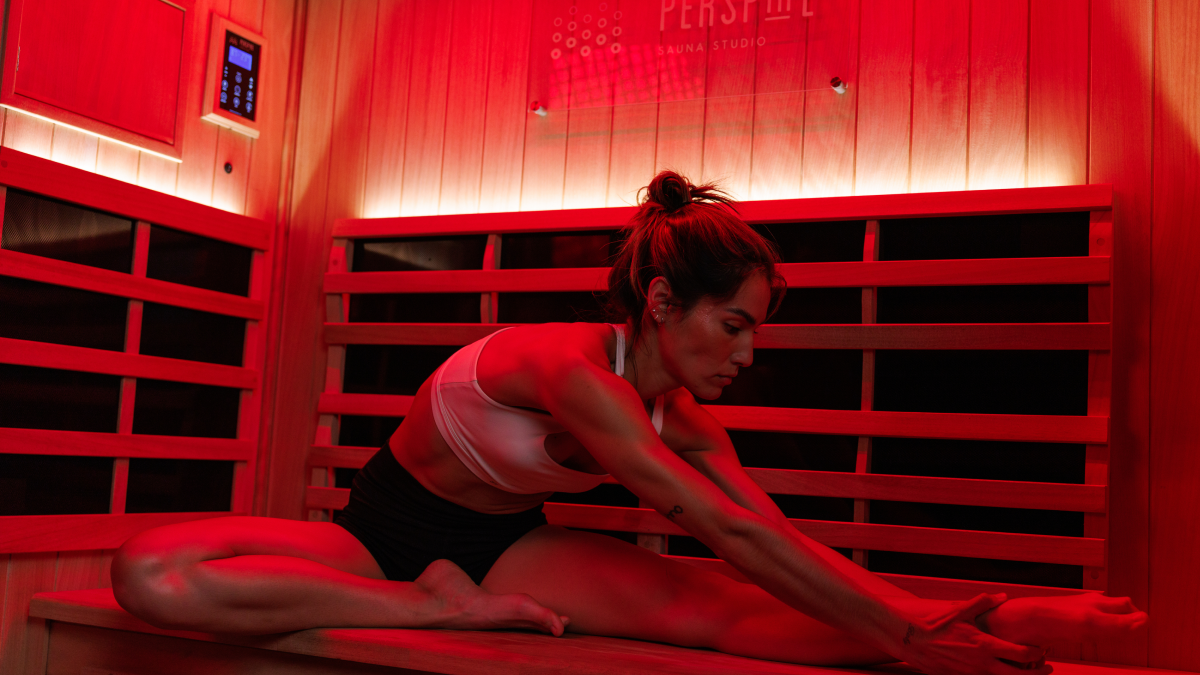
Heat exposure causes blood vessels to dilate, increasing circulation throughout the body [7]. Improved blood flow helps deliver oxygen and nutrients to tissues while supporting the removal of metabolic byproducts. These responses may help support recovery following exercise, prolonged sitting during travel, or periods of physical fatigue.
Recovery isn't only physical. Psychological stress also places demands on the body, influencing the nervous system, sleep, and overall well-being. Heat exposure has been shown to promote relaxation and may help shift the body toward a more parasympathetic, or "rest and digest," state [8]. This relaxation response can help support recovery from the mental demands of everyday life alongside physical recovery.
Sleep is one of the most powerful recovery tools available. During sleep, the body repairs tissues, regulates hormones, consolidates learning, and supports immune function [9]. Emerging research suggests regular sauna use may help improve sleep quality for some individuals [10], making it a valuable addition to a broader recovery routine—particularly during periods of stress, travel, or disrupted schedules.
Exercise isn't the only beneficial form of stress. Infrared sauna also exposes the body to a controlled dose of heat stress [5]. Over time, repeated heat exposure encourages the body to adapt, supporting processes involved in thermoregulation and cardiovascular function. Like exercise, those adaptations occur during recovery—not during the stress itself—which is why consistency is often more important than any single session.
Pairing infrared saunas with complementary recovery modalities may help support different aspects of the recovery process. Red light therapy has been studied for its potential to support cellular function and tissue recovery, as well as support sleep. Contrast therapy may help reduce perceived muscle soreness after exercise, can help reduce feelings of pain, and can have vascular benefits over time [11]. Together, these approaches can support different aspects of the recovery process while complementing the foundations of recovery, including quality sleep, hydration, balanced nutrition, and regular movement.
Recovery isn't about finding one perfect tool, it's about building consistent habits that help your body restore balance over time. Whether your goal is to recover from a workout, manage everyday stress, or simply prioritize your well-being, supporting recovery is an investment in your long-term health.
Discover how Perspire Sauna Studio can help you build a science-backed recovery routine.
References

Your intro session is up to 50% off — a private suite with full-spectrum infrared heat, red light therapy, and personalized enhancements to suit your wellness journey.

.png)